What is a CBC / Hemogram Test?
A Complete Blood Count (CBC), also called a Hemogram, is a commonly performed laboratory investigation that measures different types of cells present in the blood. The test provides useful information about red blood cells, white blood cells and platelets, along with measurements such as hemoglobin and hematocrit.
Doctors may request a CBC during a routine health assessment or when they need additional information about a person's blood cells. The results are generally considered together with symptoms, medical history, physical examination findings and other investigations.
What does the CBC measure?
A CBC report can contain several measurements relating to different blood components. The exact format of the laboratory report may vary.
- Red Blood Cell Count (RBC): Measures the number of red blood cells present in the blood.
- White Blood Cell Count (WBC): Measures the number of white blood cells, which are part of the body's immune system.
- Hemoglobin: Measures the amount of hemoglobin, the oxygen-carrying protein found in red blood cells.
- Hematocrit: Indicates the proportion of blood made up of red blood cells.
- Platelet Count: Measures platelets, which have an important role in normal blood clotting.
Why may a CBC be recommended?
A healthcare professional may request a CBC for several reasons. It may be included in a routine checkup, used when evaluating certain symptoms, or repeated to monitor changes in blood cell counts over time.
Sample Collection
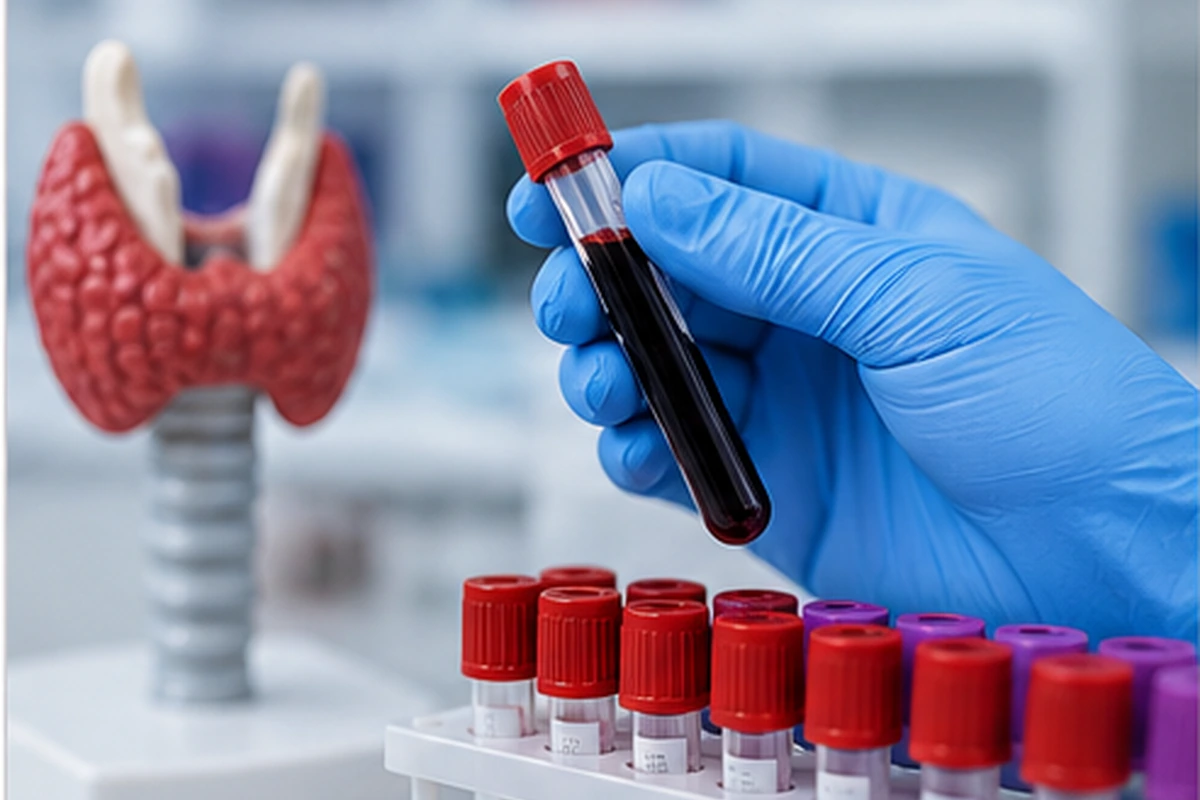
The test requires a blood sample. Blood is generally collected from a vein in the arm by a trained healthcare professional and sent to the laboratory for analysis.
Preparation for the Test
A CBC performed by itself generally does not require special preparation. However, when other laboratory investigations are ordered at the same time, different preparation instructions may apply. Patients should follow the instructions provided by their doctor or laboratory for their particular test request.
CBC results should be interpreted by a qualified healthcare professional in the context of the patient's overall clinical condition.
Understanding the Report
The report normally displays the measured blood parameters together with the laboratory's applicable reference information. A result outside a reference range does not by itself establish a diagnosis.
The significance of individual results can depend on factors such as the person's health history, symptoms, other test results and clinical circumstances. Patients should discuss questions about their report with an appropriate healthcare professional.
Common Parameters Included
| Parameter | What It Represents |
|---|---|
| RBC | Red blood cell count |
| WBC | White blood cell count |
| Hemoglobin | Oxygen-carrying protein in red blood cells |
| Hematocrit | Proportion of blood made up of red blood cells |
| Platelets | Blood components involved in normal clotting |